
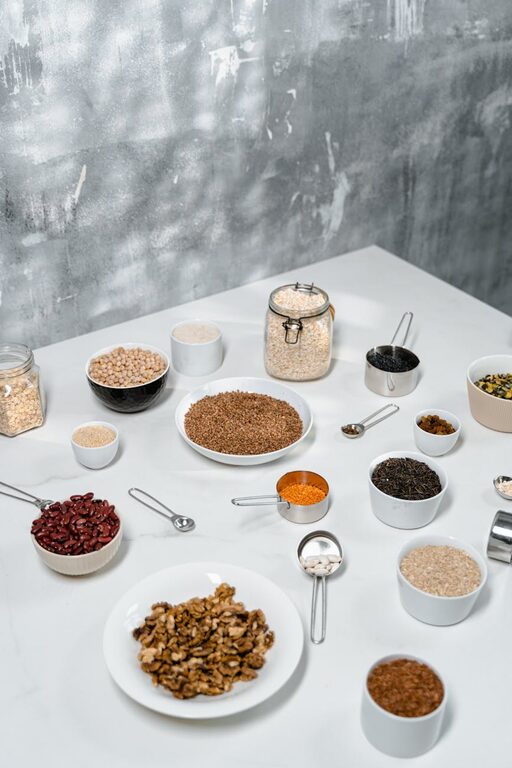
Planning meals from pantry staples is a smart way to save money, reduce food waste, and simplify your cooking routine. With a well-stocked pantry and a little creativity, you can prepare delicious, nutritious meals without a last-minute trip to the store. Whether you’re new to meal planning or looking to make better use of what you have, this guide offers practical tips and ideas to help you get started.
Why Use Pantry Staples for Meal Planning?
Pantry staples—such as rice, beans, canned vegetables, pasta, and spices—are the building blocks of countless recipes. They have a long shelf life and typically cost less than fresh ingredients. Using pantry staples allows you to:
– Save time by minimizing shopping trips
– Avoid impulse buys and reduce grocery bills
– Quickly whip up meals, especially when fresh food is running low
– Get creative with recipes using familiar ingredients
Step 1: Take Inventory of Your Pantry
Before planning meals, know exactly what you already have. Take a few minutes to:
– Check expiration dates to prioritize usage
– Group similar items together (grains, canned goods, spices)
– Note fresh items in your fridge and freezer that can complement pantry staples
Create a simple list, either on paper or using your favorite app, to keep track of your ingredients.
Step 2: Identify Key Pantry Staples
Certain staples serve as versatile bases for many dishes. Common pantry essentials might include:
– Grains: rice, quinoa, pasta, couscous, oats
– Legumes: canned or dried beans, lentils, chickpeas
– Canned goods: tomatoes, vegetables, coconut milk, broth
– Baking essentials: flour, baking powder, sugar
– Oils and vinegars: olive oil, vegetable oil, balsamic vinegar
– Spices and herbs: salt, pepper, garlic powder, chili flakes, dried herbs
Having a variety of these basics enables you to mix and match ingredients to create balanced meals.
Step 3: Plan Balanced Meals Around Pantry Staples
When designing meals, aim to include:
– A source of carbohydrates (e.g., rice, pasta, potatoes)
– A protein source (e.g., beans, lentils, canned fish, nuts)
– Vegetables (fresh, canned, or frozen)
– Healthy fats (e.g., olive oil, nuts, seeds)
– Flavor from herbs and spices
Here are some meal ideas that use common pantry staples:
One-Pot Lentil Stew
– Lentils, canned tomatoes, onions, garlic, vegetable broth, and spices like cumin and paprika.
– Serve with rice or crusty bread for a filling vegetarian meal.
Chickpea Curry
– Chickpeas, canned coconut milk, canned tomatoes, curry powder, ginger, and garlic.
– Serve with rice or naan bread.
Pasta Primavera
– Pasta, canned or frozen mixed vegetables, olive oil, garlic, and Parmesan cheese.
– Add canned tuna or beans for extra protein.
Rice and Beans Bowl
– Cooked rice, black beans or kidney beans, canned corn, diced tomatoes, and spices.
– Top with fresh herbs or a squeeze of lime for brightness.
Step 4: Use Meal Planning Tools and Templates
Writing out a weekly meal plan can help streamline your cooking routine. Consider:
– Listing meals for each day based on pantry ingredients
– Creating a shopping list for any fresh items needed
– Preparing ingredients ahead of time (e.g., soaking beans, chopping vegetables)
You can find printable meal planners online or use apps designed for meal planning.
Step 5: Get Creative with Substitutions
Don’t worry if you don’t have every ingredient a recipe calls for. Pantry staples are versatile and often interchangeable:
– Swap one type of bean for another
– Replace one grain with another (e.g., quinoa instead of rice)
– Use canned or frozen vegetables in place of fresh ones
– Experiment with different spice blends to change flavor profiles
This flexibility helps reduce waste and ensures you make the most of what you have.
Tips for Maintaining a Well-Stocked Pantry
– Rotate items regularly: use older products first and replenish as needed
– Store staples in airtight containers to keep them fresh longer
– Keep a list of items you use frequently and buy them in bulk when on sale
– Plan pantry restocking around seasonal sales and promotions
Final Thoughts
Meal planning from pantry staples is a great way to make mealtime less stressful and more budget-friendly. Start by organizing your pantry, then build your meal plan around the versatile ingredients you have on hand. Over time, you’ll find it easier and more enjoyable to create healthy, satisfying dishes without relying on last-minute grocery trips. Happy cooking!